Probability Games That Expand Your Thinking
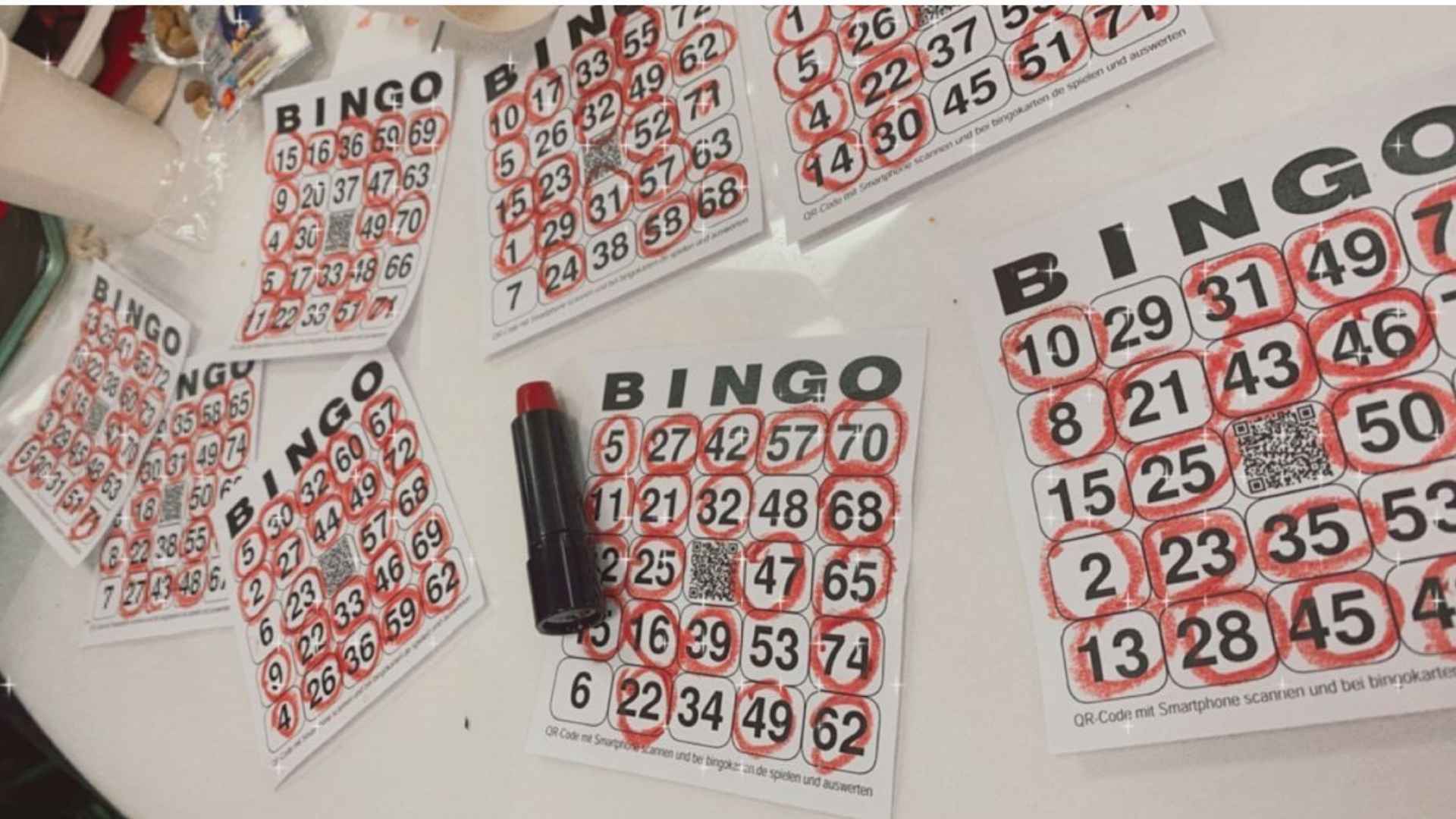
Engaging with activities that incorporate elements of chance can significantly alter how we approach complex decision-making processes in daily life. By forcing the human mind to balance predictable risk against completely randomized variables, these interactive challenges serve as excellent tools for cognitive development. Understanding the mathematical frameworks behind these outcomes shifts our perspective from relying on simple luck to utilizing structured analysis instead.
The Intersection of Logic and Uncertainty
Many modern educational environments heavily rely on randomized mechanics to keep participants intellectually engaged and constantly adapting. While traditional textbooks often introduce statistical formulas in a static manner, gameplay transforms these abstract theories into practical scenarios. This active involvement helps individuals cultivate a healthier mental approach when navigating unpredictable situations outside of gaming platforms.
When players learn to identify the thin line between personal strategy and pure variance, they naturally improve their logical deduction capabilities. Exploring various analytical models allows participants to evaluate risk architectures dynamically rather than relying on emotional reactions. Over time, consistent practice with statistical distributions builds an intuitive grasp of how minor variables impact long-term outcomes.
Enhancing Analytical Risk Assessment
Mastering games governed by mathematical chance requires far more than basic intuition or casual guesswork. Enthusiasts utilize sophisticated forecasting techniques to determine the true expected value of every single move they make on the board. For instance, analyzing how platform data shifts across modern portals like m88 mansion indo can provide practical insights into digital random number generation systems.
This structured method of evaluating scenarios encourages individuals to plan multiple steps ahead in inherently unstable environments. By tracking the frequency of previous outcomes, serious players learn to minimize variance and secure better performance rates. Consequently, practicing these exercises sharpens real-world cognitive frameworks used for financial planning and organizational safety management.
Differentiating Independent and Dependent Events
A widespread error among beginners is the persistent belief that past occurrences dictate the immediate likelihood of future random events. Developing a solid understanding of statistical independence helps dismantle common mental traps like the gambler's fallacy. Recognizing that each dice roll or coin toss resets the baseline mathematical odds changes how a player views consecutive outcomes.
Conversely, dependent scenarios require individuals to continuously adjust their strategies based on a depleting pool of possibilities. For example, card games challenge the working memory by forcing participants to calculate shifting distribution metrics in real time. Balancing these two distinct styles of thinking expands cognitive flexibility and sharpens overall problem-solving skills.
Practical Methods to Train Your Mind
Integrating simple tabletop challenges into your weekly routine offers an accessible pathway to boost analytical abilities without academic stress. Beginners should start with basic dice simulations or simple probability charts to observe how predictable patterns gradually emerge from chaos. Focusing on tracking long-term statistical metrics rather than trying to predict individual results ensures a healthier learning curve.
Maintaining a highly balanced and objective perspective allows enthusiasts to treat these activities primarily as valuable educational tools. With consistent engagement, the complex laws of probability become highly intuitive mental assets that improve daily choices. Ultimately, challenging your mind through strategic gameplay transforms abstract mathematical ideas into strong lifelong reasoning capabilities.